

Home Remedies for Depression: Practical Coping Strategies (Part 1) | Safe and Sound
Depression can be a challenging and isolating experience. While professional help from a psychologist or psychiatrist is essential, there are several strategies you can implement at home to support your depression treatment journey. In this article, we'll explore practical tips on how to manage depression at home to complement your professional treatment.
Ngo Thi Sang | Master of Education—Institute of Psychology and Mental Health (SnS)
Center for Community Health and Development Research
1. Establish a daily routine.
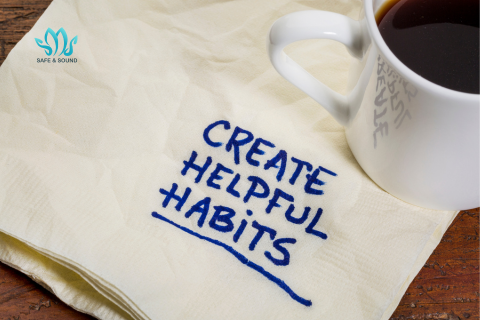
Establishing daily routines
According to psychologists and psychiatrists, a structured daily routine can provide a sense of stability and purpose, often lacking when struggling with depression. Creating and sticking to a schedule can help improve time management and enhance your overall well-being.
Advice on establishing daily habits from psychologists and psychiatrists:
- Set specific times to wake up and go to bed, aiming for 7-8 hours of sleep.
- Plan your meals regularly to ensure adequate nutrition and energy levels.
- Allocate time for physical activity, relaxation, and social interaction.
- Include time for rest and self-care activities such as reading, hobbies, or meditation.
- Plan your day or use digital tools to organize tasks and appointments.
We need to detect depression early, because the longer it is left untreated, the more it affects the patient's mental health. Safe and Sound, with its team of psychological experts, can help you identify problems in people with severe depression.


2. Maintain physical activity.

Maintaining physical activity and sports.
Psychologists and psychiatrists say that regular exercise is a powerful tool to combat depression. Physical activity releases endorphins, natural mood-boosting hormones, and can significantly improve your mental health.
We believe that the combination of a psychologist and a psychiatrist will provide the best support for you. Safe and Sound's team of experts meets rigorous standards, helping you address a wide range of mental health issues, including postpartum depression, anxiety, sleep problems, mood disorders, relationship issues, mental trauma, and more.
- Extensive professional experience dealing with a wide range of psychological issues.
- Skills in assessing, consulting, and developing effective support plans.
- Flexibly combine techniques and methods to effectively support and maintain sustainable results.
Advice on maintaining physical activity from psychologists and mental health professionals:
- Start with achievable short-term goals, such as taking a 30-minute walk or doing some gentle yoga.
- Find an activity you enjoy to make it sustainable. This could be dancing, hiking, or even gardening.
- Invite a friend or family member to join in to give the person with depression extra motivation.
- Use fitness apps or online videos for guidance.
- Gradually increase the intensity and duration of your workouts as your fitness level improves.
3. Maintain a balanced diet.
Psychologists and mental health professionals say that a balanced diet can positively impact mood and energy levels if you are suffering from depression. Nutrient-rich foods that support brain health and overall well-being can help improve symptoms of depression.
Advice on maintaining a balanced diet from psychologists and psychiatrists:
- Focus on whole foods, including fruits, vegetables, lean protein, and whole grains.
- Incorporate foods rich in omega-3 fatty acids, such as salmon and walnuts.
- Limit processed foods, sugary snacks, and excessive caffeine intake.
Drink plenty of water throughout the day.
Consider consulting a nutritionist for guidance on a personalized diet plan.
4. Mindfulness and Meditation
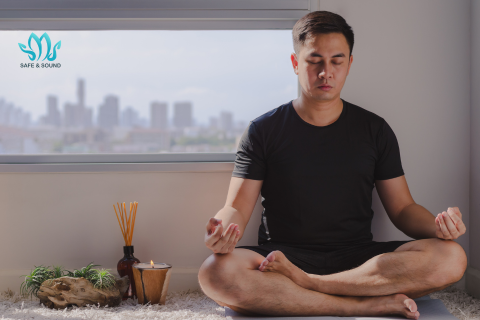
Mindfulness and meditation
According to psychologists and psychiatrists, practicing mindfulness and meditation can help you maintain presence, reduce stress, and manage symptoms of depression. These practices encourage self-acceptance and self-compassion.
Advice on practicing mindfulness and meditation from psychologists and psychiatrists:
- Start with short workouts, gradually increasing the duration as you feel more comfortable.
- Use guided meditation apps or online resources to support your practice.
- Find a quiet, comfortable space where you won't be easily distracted.
- Focus on your breath, body sensations, or guided meditation.
Be patient with yourself, as it may take time to fully master these techniques.
How can Safe and Sound help you?
We understand that psychotherapy can sometimes be a difficult step, and trying to find a new psychologist or psychiatrist who is a good fit for your individual needs and personality can be a challenging task.
Psychological therapies, particularly cognitive behavioral therapy (CBT), have proven effective in treating depression. This method focuses on changing negative thinking and behaviors. Through guidance from a psychologist or psychiatrist, you will learn how to recognize and transform negative thoughts into more positive ones, improving your mood and fostering a more positive attitude in your daily life.
To help our customers, Safe and Sound experts are always there to support you, assisting you in:
A brain filled with positive thoughts is created by eliminating unimportant or misleading thoughts.
- A refreshed and worry-free mind allows you to enjoy the good things life has to offer.
- A confident and steady mindset enables faster and more accurate decision-making at work, thereby increasing financial strength, career success, and self-esteem.

In addition, Safe and Sound will:
- We don't see you as a patient; instead, we see you as a courageous individual battling against a dark sky threatening to collapse. SnS experts can lend you a helping hand in this endeavor.
- We won't lecture you: We will work with you to rekindle the positive energy that has long been suppressed by so much pressure and suffering.
- Avoid the overuse of medications and chemicals: Instead, we will work with you to find effective and natural solutions.

We support you through the process of overcoming postpartum depression, guiding you step-by-step to connect with a psychologist or psychiatrist who is right for your specific needs. All our professionals are carefully vetted to ensure they meet the necessary standards and are committed to providing you with the highest quality care and support.
Download the Safe and Sound app today so we can help you overcome postpartum depression and find the right professionals to support you when you need them.

See more:
